
Microsoft 365 Business With Copilot: What T&T SMBs Should Prepare For
Microsoft is making Copilot a bigger part of Microsoft 365 for small businesses.
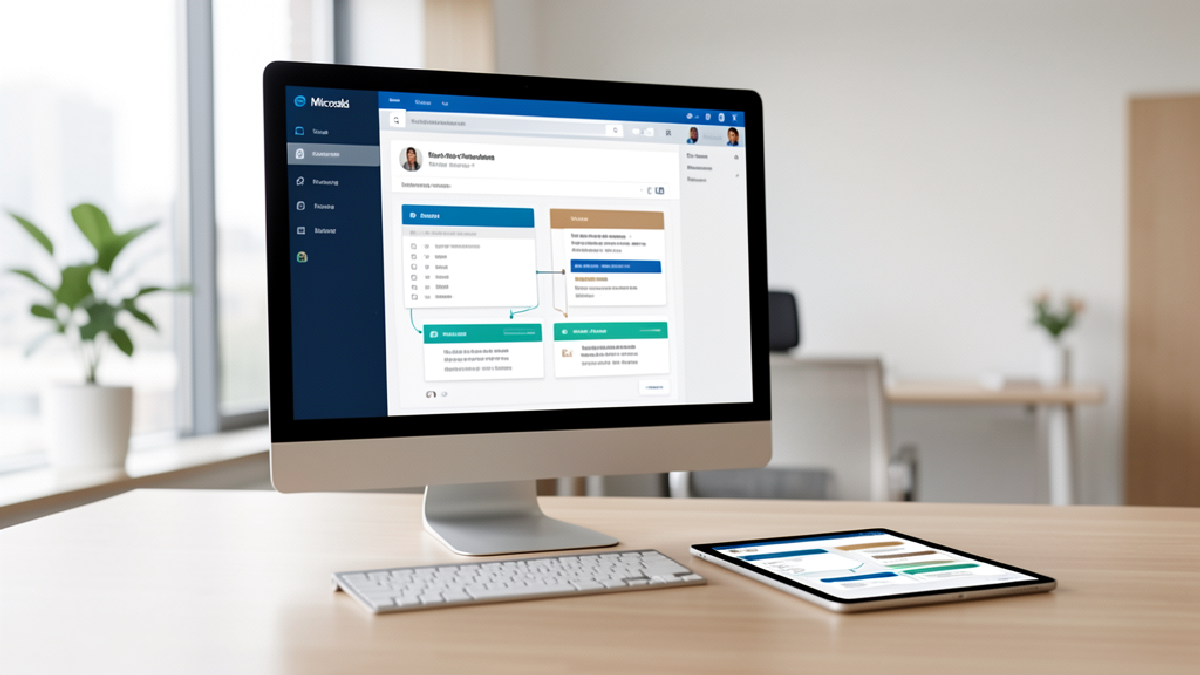
In an official Microsoft 365 Blog post, Microsoft says it is introducing Microsoft 365 Business Standard with Copilot and Microsoft 365 Business Premium with Copilot on July 1, 2026. The simple version: Copilot is moving closer to the everyday Microsoft 365 plans that many small and medium businesses already use.
For Trinidad and Tobago businesses, this is not just another AI announcement. It is a sign that AI assistance is becoming part of normal office work: email, meetings, documents, spreadsheets, presentations, files, and business communication.
The opportunity is real. So is the setup work.
What Microsoft Is Changing
Microsoft is positioning these new Business with Copilot plans as Microsoft 365 productivity apps with AI built for work. The company also frames security as part of the package, especially around protecting employees, company data, and intellectual property.
Microsoft's examples are practical: preparing for customer calls, reviewing sales trends, drafting proposals, managing email, working through meetings, and finding information across files and apps.
That matters because most SMBs do not need abstract AI. They need fewer stalled emails, better follow-up, cleaner proposals, faster reporting, and less time wasted searching for the latest version of a file.
Where Copilot Can Help Day To Day
The best starting point is not "use AI more." That is too vague. The better question is: which repeated workflow is costing the team time every week?
For many businesses, the first useful areas are obvious.
Outlook: Copilot can help staff review busy inboxes, draft replies, summarise long threads, and prepare follow-up messages. The value is not that it writes instead of your team. The value is that your team starts from a cleaner draft and spends more time deciding what needs to happen next.
Teams: Meeting summaries and action items can reduce the usual post-meeting confusion. That helps when sales, admin, operations, and technical staff all leave the same call with different responsibilities.
Word: Proposals, policies, letters, internal procedures, and client updates can move faster when staff are not starting from a blank page.
Excel: Copilot can help users explore data, ask questions, and spot patterns. For managers, that can mean quicker first-pass analysis before the human review.
PowerPoint: Teams can build first drafts of decks from existing material, then refine the message, numbers, and design.
SharePoint and OneDrive: Knowledge retrieval may become one of the biggest gains. If permissions and file organisation are clean, Copilot can help staff find context buried across documents, project folders, and shared files.
The Security Part Cannot Be An Afterthought
Copilot works best when Microsoft 365 is already tidy. If permissions are messy, file storage is chaotic, and old sensitive documents are shared too widely, AI will not magically fix that.
Before turning Copilot loose across a business, SMBs should review:
- who can access finance, HR, customer, legal, and management files;
- whether SharePoint and OneDrive folders are organised sensibly;
- whether old external sharing links are still active;
- whether staff use MFA and secure devices;
- whether sensitive data is labelled or separated;
- whether users understand what should and should not be pasted into AI tools.
Microsoft's Business Premium plan is also positioned for stronger security and device management. That matters for companies where staff work from different locations, use laptops outside the office, or need tighter protection against phishing, malware, and data loss.
A Sensible Rollout Plan
The wrong way to adopt Copilot is to buy licences, announce "we have AI now," and hope staff figure it out.
A better rollout starts small.
Pick one or two departments. Choose three real workflows. For example:
- Outlook follow-up for sales and service requests;
- Teams meeting summaries for management meetings;
- Word proposal drafting for client quotes;
- Excel review for monthly sales or expense reports;
- SharePoint knowledge retrieval for project handovers.
Then define what success looks like. Are replies faster? Are meeting actions clearer? Are managers getting cleaner reports? Are proposals leaving the business with fewer delays?
Training should be role-based. A finance user, sales user, admin assistant, manager, and technician will not use Copilot in the same way. The prompts, risks, and expected outcomes should match their actual work.
What This Means For Microsoft 365 Buying Decisions
If your business is already on Microsoft 365, this is a good time to review your licensing. Existing customers may be able to add Microsoft 365 Copilot to qualifying plans or move to a plan that includes Copilot, depending on their current setup and requirements.
If your business is still using a mix of personal email accounts, unmanaged file sharing, and manual document processes, the Copilot conversation should start with Microsoft 365 readiness first. AI works better when identity, email, files, security, and permissions are under control.
For many Trinidad and Tobago SMBs, the real decision is not just "Do we need Copilot?" It is:
- Is our Microsoft 365 tenant ready?
- Are our permissions clean enough?
- Which staff should get licences first?
- What workflows should we pilot?
- What training will prevent poor use?
- Who reviews security and governance after rollout?
How Blue Chip Technologies Can Help
Blue Chip Technologies helps businesses plan, license, secure, and support Microsoft 365 properly.
For Copilot, that can include Microsoft 365 licensing guidance, readiness checks, permission reviews, SharePoint and OneDrive cleanup, rollout planning, user training, and ongoing support. The goal is not to chase AI hype. The goal is to make everyday work faster while keeping company data protected.
If your team already lives in Outlook, Teams, Word, Excel, PowerPoint, SharePoint, and OneDrive, Copilot is becoming harder to ignore. The smart move is to prepare the environment first, pilot it with the right users, and measure whether it actually improves the work.
Contact Blue Chip Technologies to review Microsoft 365 and Copilot readiness for your business.
Source: Microsoft, "Introducing Microsoft 365 Business with Copilot: The new standard for small business".