
Quote Rules Should Be Built Into the Workflow, Not Remembered
Most quoting problems do not start with bad intentions. They start with small details that are easy to miss when the sales team is busy.
A discount needs approval. A project needs installation labour. A renewal needs the right term. A customer record is missing a required field. A product bundle needs a standard note. A quote should not go out until the finance or operations handoff is clear.
If those rules live only in someone's memory, they will not be applied consistently.
That is why QuoteWerks Web's Scripting Manager is useful. It gives businesses a way to turn repeatable quoting rules into workflow guardrails, so the system helps staff catch issues before the quote reaches the customer.
The Real Issue Is Inconsistent Quoting
Many small and mid-sized businesses in Trinidad and Tobago have quoting rules, but they are often scattered across emails, spreadsheets, WhatsApp messages, manager instructions, and staff experience.
That works until the team gets busy, someone is on leave, a new salesperson joins, or a customer needs a fast turnaround.
Common examples include:
- Checking margin before a quote is sent
- Requiring approval above a certain discount
- Adding required accessories, labour, or support items
- Using the correct wording for project scope
- Capturing notes for procurement or finance
- Preventing incompatible products from being sold together
- Reminding users to include delivery, warranty, or renewal details
These are not unusual requirements. They are normal business controls. The problem is relying on people to remember every control every time.
What QuoteWerks Scripting Manager Adds
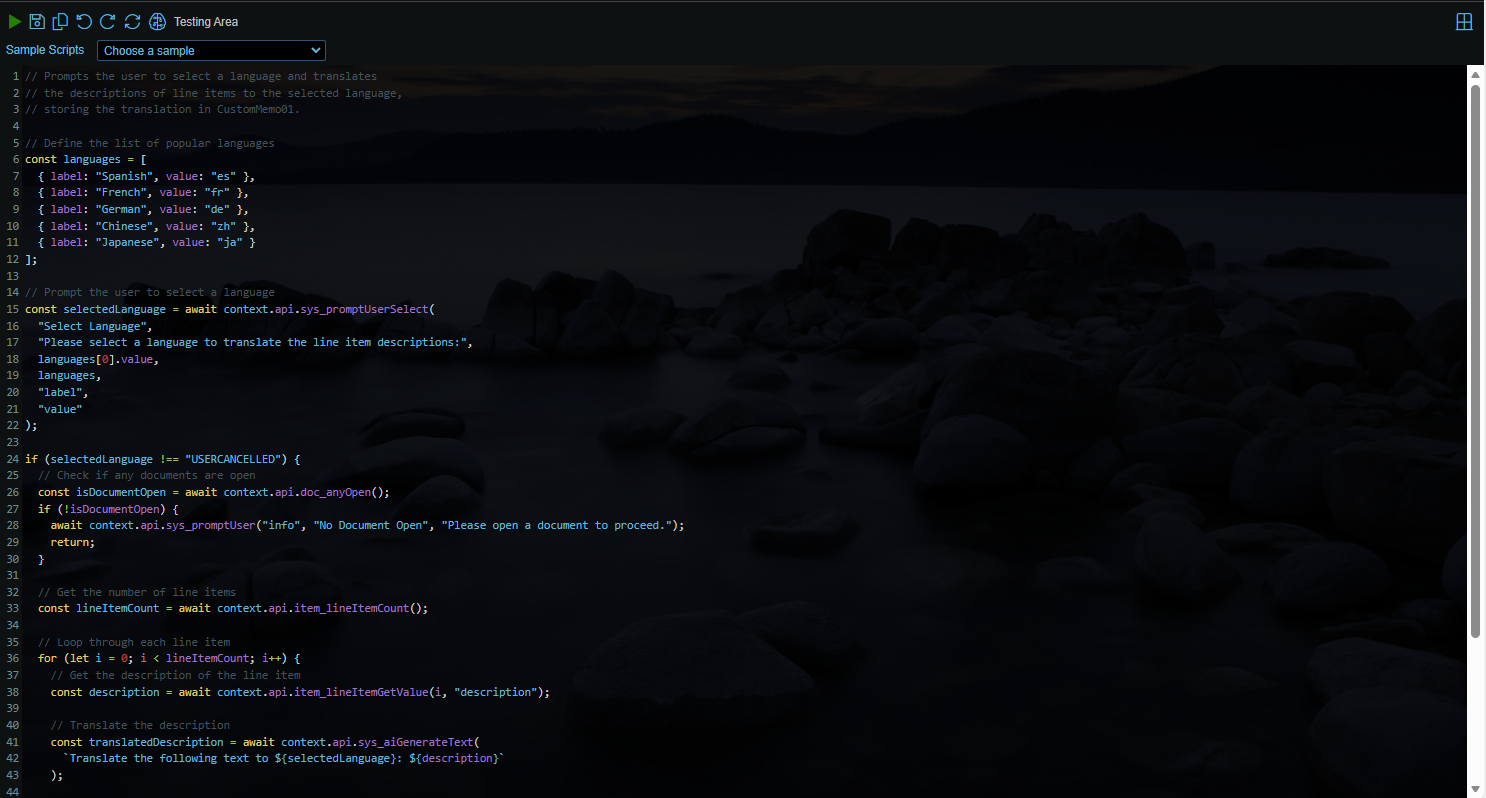
QuoteWerks' source article explains that the Scripting Manager in QuoteWerks Web lets teams write async JavaScript scripts, test them, and attach them to event hooks inside the quoting workflow.
In business language, that means QuoteWerks can react when important quoting actions happen.
A script can support the user when a quote is being built, saved, reviewed, or moved forward. Instead of waiting for someone to notice a missing detail later, the workflow can prompt, validate, calculate, or prepare information at the right moment.
That can turn a messy quote process into a more controlled one.
Practical Uses for Local SMBs
For many businesses, the first automation should not be complicated. Start with the points where mistakes happen often.
A distributor, contractor, MSP, retailer, or services company could use scripting to help:
- Warn users when required customer information is missing
- Flag quotes below an acceptable margin
- Prompt for approval notes before special pricing is used
- Add reminders when installation or delivery lines are missing
- Standardize comments for recurring services or renewals
- Prepare internal notes for purchasing after quote acceptance
- Check that required support or warranty options are considered
The goal is not to make quoting rigid. The goal is to make the important checks easier to follow.
AI Can Help Draft, But Testing Still Matters
The QuoteWerks article also highlights the AI Assistant inside the Scripting Manager. That matters because many business users know what rule they want, but do not want to write code from scratch.
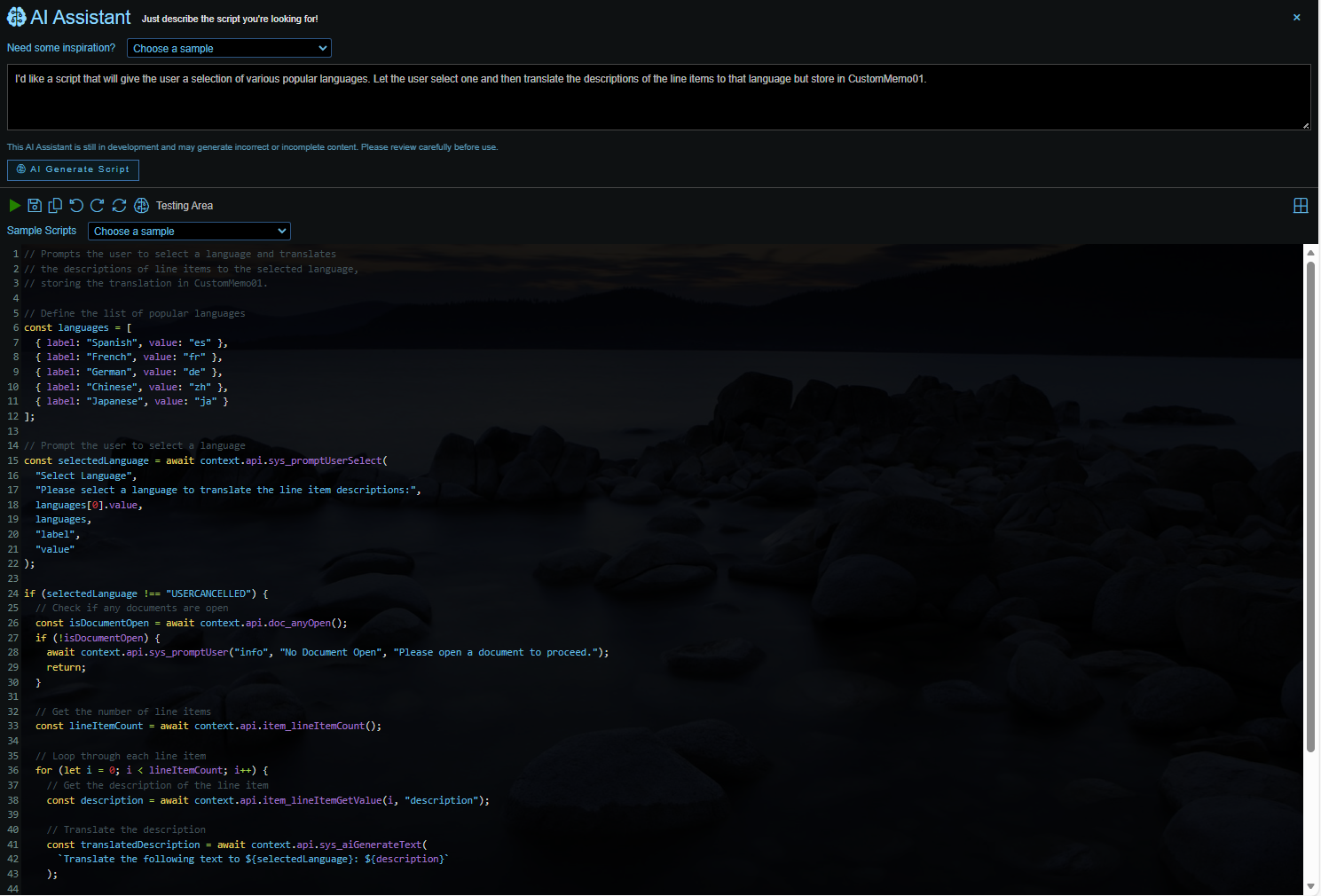
An AI-assisted starting point can speed up prototyping. A manager might describe a workflow rule in plain English, then use the generated script as a draft.
But Blue Chip's advice is simple: do not treat generated automation as automatically production-ready.
Any rule that affects pricing, approvals, customer communication, quote conversion, procurement, or finance should be reviewed and tested before staff depend on it. AI can shorten the path from idea to draft, but controlled rollout still matters.
Better Quote Controls Improve Quote-to-Cash
A quote is not just a sales document. It is the beginning of the fulfilment process.
When quote details are wrong, the downstream impact can be painful: purchasing delays, wrong items ordered, missing labour, weak margins, unclear scope, customer disputes, and extra admin work before invoicing.
Building guardrails into QuoteWerks helps reduce that friction. Sales gets clearer prompts. Managers get fewer preventable exceptions. Operations receives cleaner handoff information. Customers get more accurate quotes.
That is quote-to-cash improvement in practical form.
Where to Start
Do not start by automating everything.
Start by listing the quoting problems that happen repeatedly. Then decide which ones should become:
- A warning
- A required field check
- An approval trigger
- A standard note or calculation
- A handoff instruction for finance, procurement, or operations
Once the rule is clear, it becomes much easier to decide whether QuoteWerks scripting is the right tool.
The Blue Chip View
QuoteWerks Web Scripting Manager is valuable because it helps move quoting knowledge out of scattered memory and into a repeatable workflow.
For SMBs, that can mean fewer pricing mistakes, cleaner approvals, better quote consistency, and less rework between sales and operations.
Blue Chip Technologies can help review the current quoting process, identify where controls are missing, and design practical QuoteWerks workflow improvements that fit how your team actually sells.
Source: QuoteWerks Blog — Tips & Tricks February 2026: Scripting Manager.