
AI Makes Cyber Attacks Faster. Your Recovery Plan Must Be Ready.
AI has changed the quality and speed of cyber attacks. That does not mean every business should panic. It means the old comfort signs are weaker: bad spelling, obvious scam language, and clumsy timing are no longer reliable warning signals.
Synology's recent cyber resilience article is useful because it connects AI-driven attacks to a practical recovery question: if phishing, credential abuse, or ransomware moves faster, can the business still restore clean systems and keep operating?
Cleaner Phishing Raises The Bar
Many staff were trained to look for spelling errors and strange wording. That still helps, but it is no longer enough. AI tools can create clean, personalised emails that mention real suppliers, staff names, job titles, projects, and public company details.
For a Trinidad and Tobago SMB, that may look like a payment query, courier notice, quote approval, bank request, shared document, or WhatsApp-style follow-up. The message may not look "fake" at first glance.
The practical response is simple:
- use MFA wherever possible
- verify payment and supplier changes by phone
- report suspicious messages quickly
- restrict access based on job role
- monitor unusual sign-in behaviour
- keep endpoint and email protection current
Security awareness still matters, but it must be backed by technical controls.
Credential Abuse Can Become A Recovery Problem
Once attackers get a valid password, the incident changes. They may access email, cloud files, shared folders, remote access systems, or backup consoles. If backup administration uses the same accounts and weak controls, the attacker may try to delete recovery points before the business knows there is a problem.
That is why backup design is part of cybersecurity, not a separate IT chore.
A stronger setup separates daily user access from backup administration, limits who can delete or change backup jobs, enables alerts, and keeps protected copies that cannot be easily altered by a compromised account.
Ransomware Planning Must Assume Backups Will Be Targeted
Modern ransomware does not only encrypt files. Attackers often look for backup storage, admin consoles, snapshots, and cloud repositories. The goal is to reduce the business's ability to recover.
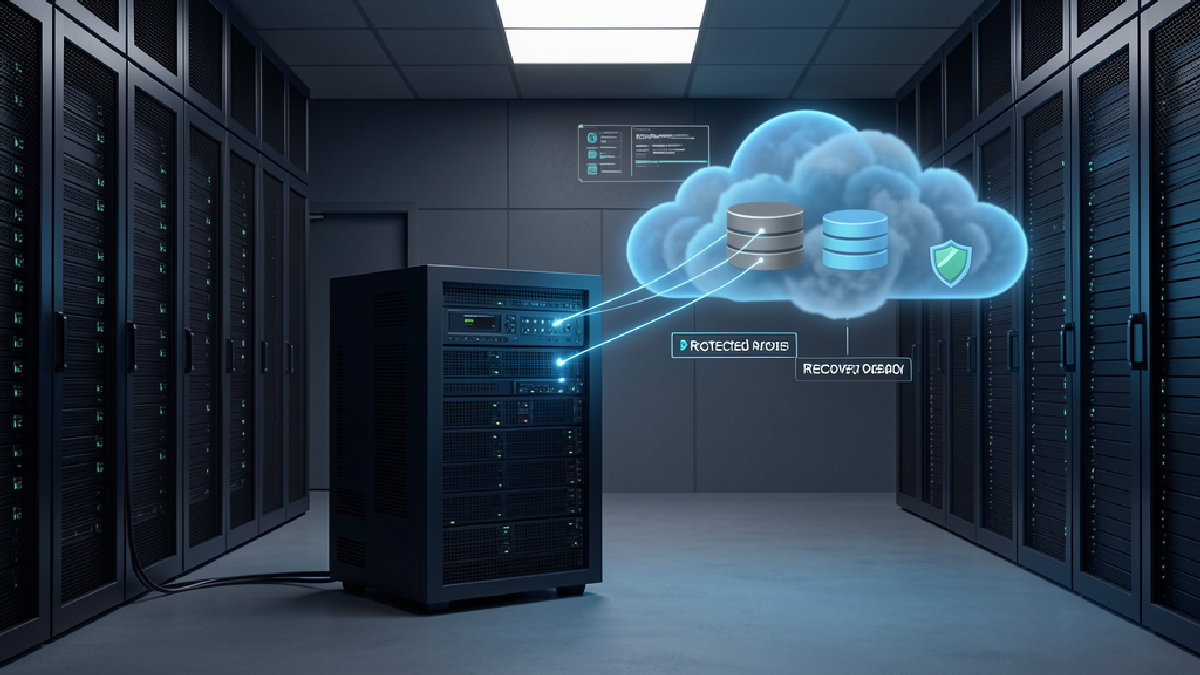
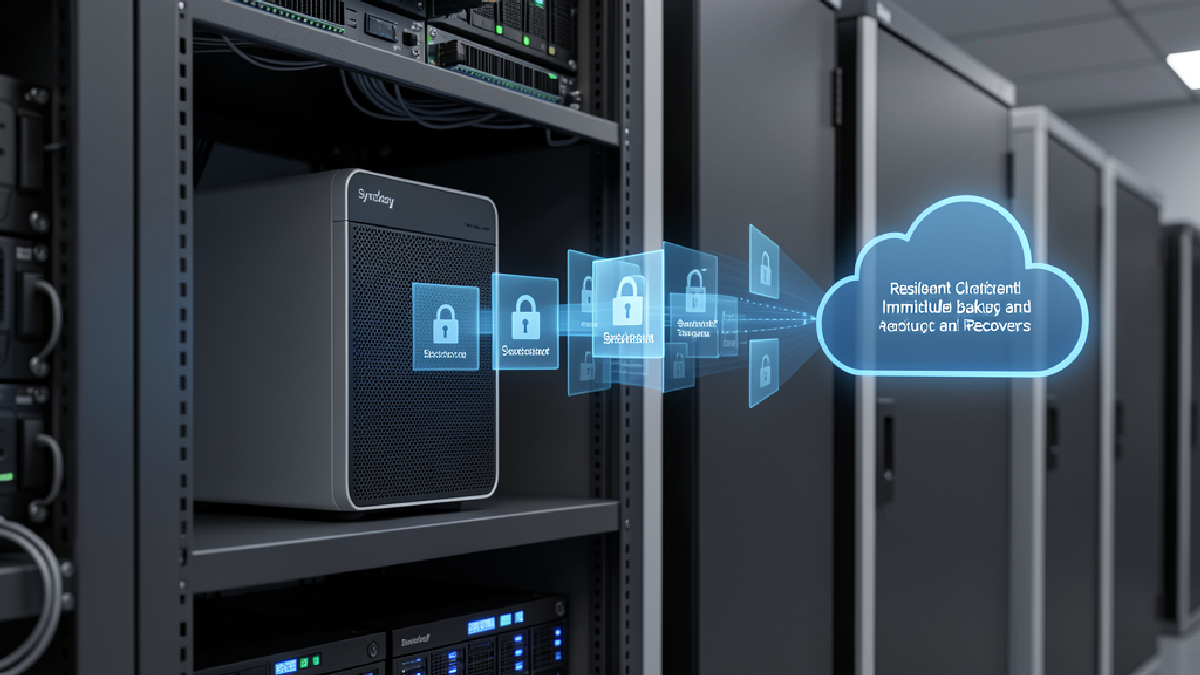
Synology points to a cyber-resilient approach with multiple backup copies, isolated storage, immutability, access controls, and regular recovery testing. ActiveProtect is one option built around centralized backup management, offline backups, immutable protection, role-based access controls, and disaster recovery testing using a built-in hypervisor.
The platform matters, but the operating process matters just as much.
What Blue Chip Looks For
When Blue Chip reviews backup and recovery readiness, we look for evidence:
- Which systems and cloud services are protected?
- Are backup failures monitored?
- Are backup copies isolated or immutable?
- Who can change retention or delete backups?
- Is MFA enabled for administrative access?
- Are restores tested and documented?
- Is there an order for recovering the most important systems first?
- Does management understand the likely downtime?
These are practical business questions. A backup plan that has never been tested is only an assumption.
The Blue Chip Recommendation
AI makes attacks cleaner, faster, and harder to spot. The response should be disciplined rather than dramatic: reduce the chance of compromise, limit what compromised accounts can reach, and make sure recovery is tested before the incident.
For many SMBs, that means combining staff awareness, MFA, access control, endpoint protection, monitored backups, immutable or isolated recovery points, and scheduled restore testing.
Blue Chip Technologies can help review existing backup, NAS, Microsoft 365, endpoint, and server protection; close practical gaps; and build a managed recovery plan that is ready before the business needs it.
Source: Synology Blog - How AI is reshaping cyber attacks and why modern cyber resilience matters.