The European Union's NIS2 Directive tightens cybersecurity rules for critical sectors and digital service providers across member states. It is not Trinidad and Tobago law, and most local SMBs will never face an EU regulator. Yet the operational habits NIS2 demands are worth adopting by any business here that stores customer data, processes payments, or supplies partners in regulated overseas markets.
NIS2 centers on ten capabilities: cybersecurity risk management, incident handling, business continuity, backup management, disaster recovery, crisis management, encryption where appropriate, access control, multi-factor or continuous authentication, and asset management. These are not abstract ideals. They are daily operational habits that reduce downtime, contain breaches, and preserve customer trust.
Risk management is the foundation. An SMB should know what data it holds, where it lives, who can reach it, and what happens if that access is abused. Asset management turns that knowledge into a living inventory of hardware, software, and cloud services. Without an inventory, you cannot patch, retire, or isolate systems quickly when a threat appears. You also cannot prove to an insurer or partner that you take security seriously.
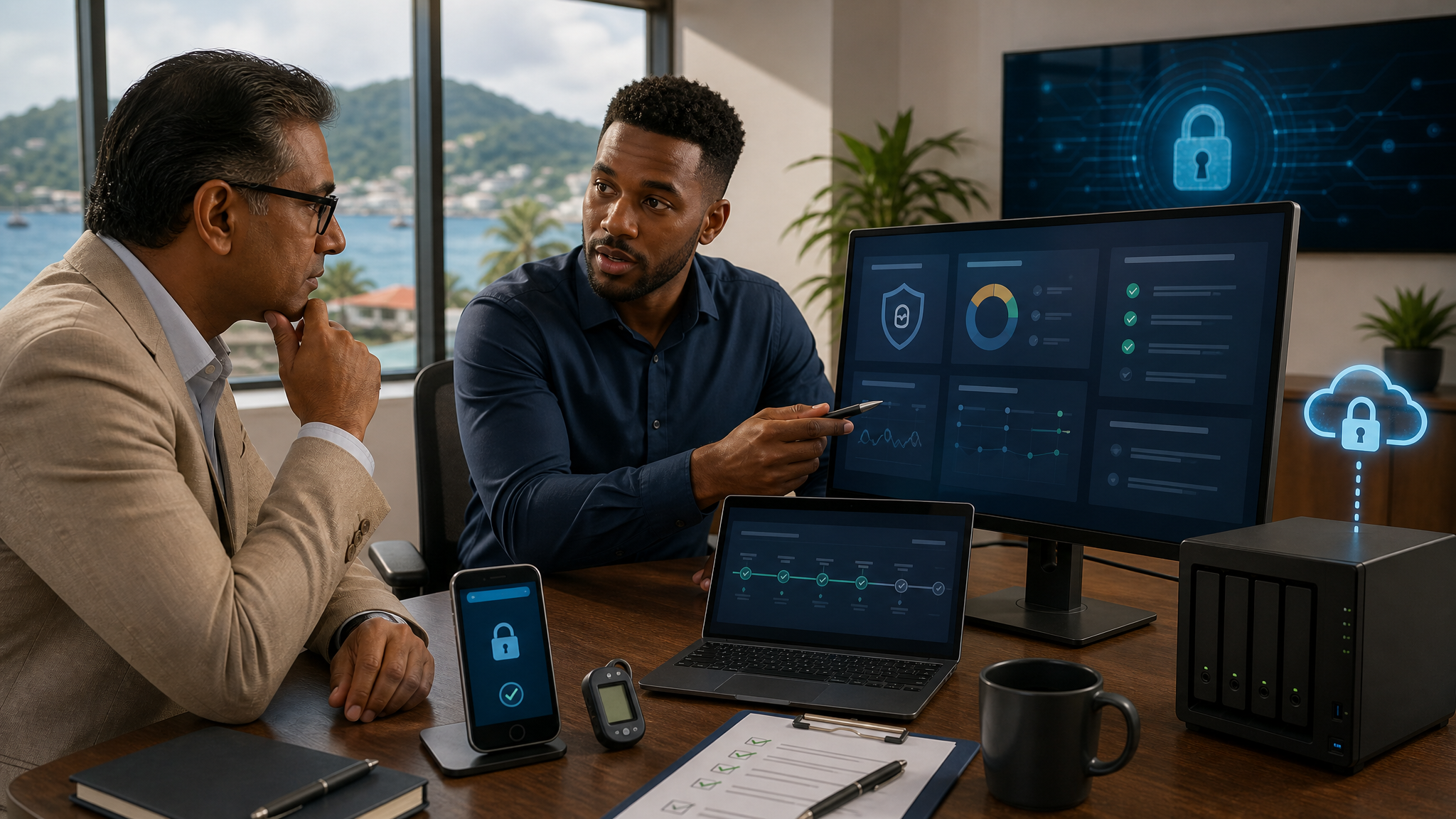
Access control and authentication come next. Role-based permissions, directory integration with Active Directory or LDAP, and single sign-on backed by multi-factor authentication limit the damage of stolen credentials. Continuous authentication adds friction for attackers without burdening staff who already use legitimate devices. The principle is simple: give people only the access they need, verify they are who they claim to be, and log every attempt. View-only or limited backup-and-restore roles further reduce the chance of an insider mistake or compromised account wiping critical data.
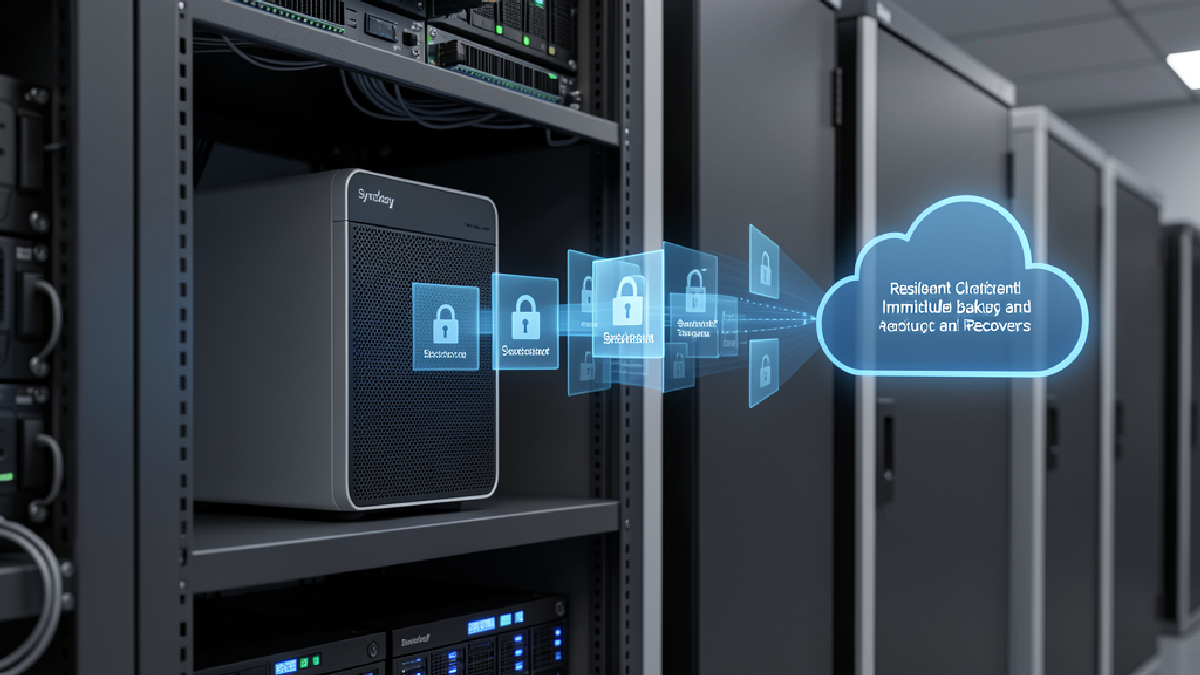
Backup management and disaster recovery are where many SMBs stumble. NIS2 treats backup as a living process, not a one-time copy to an external drive. That means regular verification, data integrity checks, immutability to prevent ransomware from corrupting backups, and air-gapping so offline copies survive a network-wide incident. Centralized management keeps policies consistent across branch offices, remote workers, and cloud endpoints. Recovery must be tested in a sandbox before a crisis, and restoration must be fast enough to meet business continuity targets. Secure transmission, including AES-256 encryption for remote transfer, protects data while it moves between sites or to offsite storage.
Incident handling and crisis management tie the technical pieces together. Detecting an intrusion is only useful if someone acts on it within minutes, not hours. Clear escalation paths, predefined communication templates, and practiced drills turn panic into procedure. Business continuity planning ensures that if one system fails, another can carry essential functions while recovery proceeds.
For a Trinidad and Tobago manufacturer, retailer, professional services firm, or hospitality operator, these habits matter even without an EU compliance deadline. A single ransomware event can idle operations for days and erase orders, payroll, or client histories. A data breach can expose sensitive records and trigger reputational damage that outlasts any regulatory fine. Overseas partners and multinational parent companies increasingly ask suppliers to demonstrate security posture before signing contracts or renewing agreements. Adopting NIS2-aligned discipline now answers those questions before they are asked, and often speeds up vendor onboarding.
Blue Chip Technologies approaches this as a managed service, not a shelf-ware checklist. We map the NIS2 capability list to practical tools and routines: verified backups with integrity checks and immutability, role-based access tied to your existing directory services, MFA on every administrative path, sandboxed disaster-recovery testing, encrypted offsite replication, and monitored incident response with defined playbooks. We keep the jargon in the policy document and give your team clear steps they can execute under pressure, whether the threat is a phishing email, a failed server, or a regional internet outage.
If your business is growing its digital footprint, supporting international clients, or simply tired of wondering whether last night's backup actually worked, the NIS2 framework offers a sensible baseline. You do not need to adopt every clause, but the core habits—know your assets, control access, encrypt data in transit, verify backups, and rehearse recovery—are universal.
Ready to turn compliance language into working protection? Contact Blue Chip Technologies for a practical cybersecurity and backup assessment tailored to your operations.
Source: Synology, "NIS2 compliance explained: How to meet key requirements", June 8 2026