
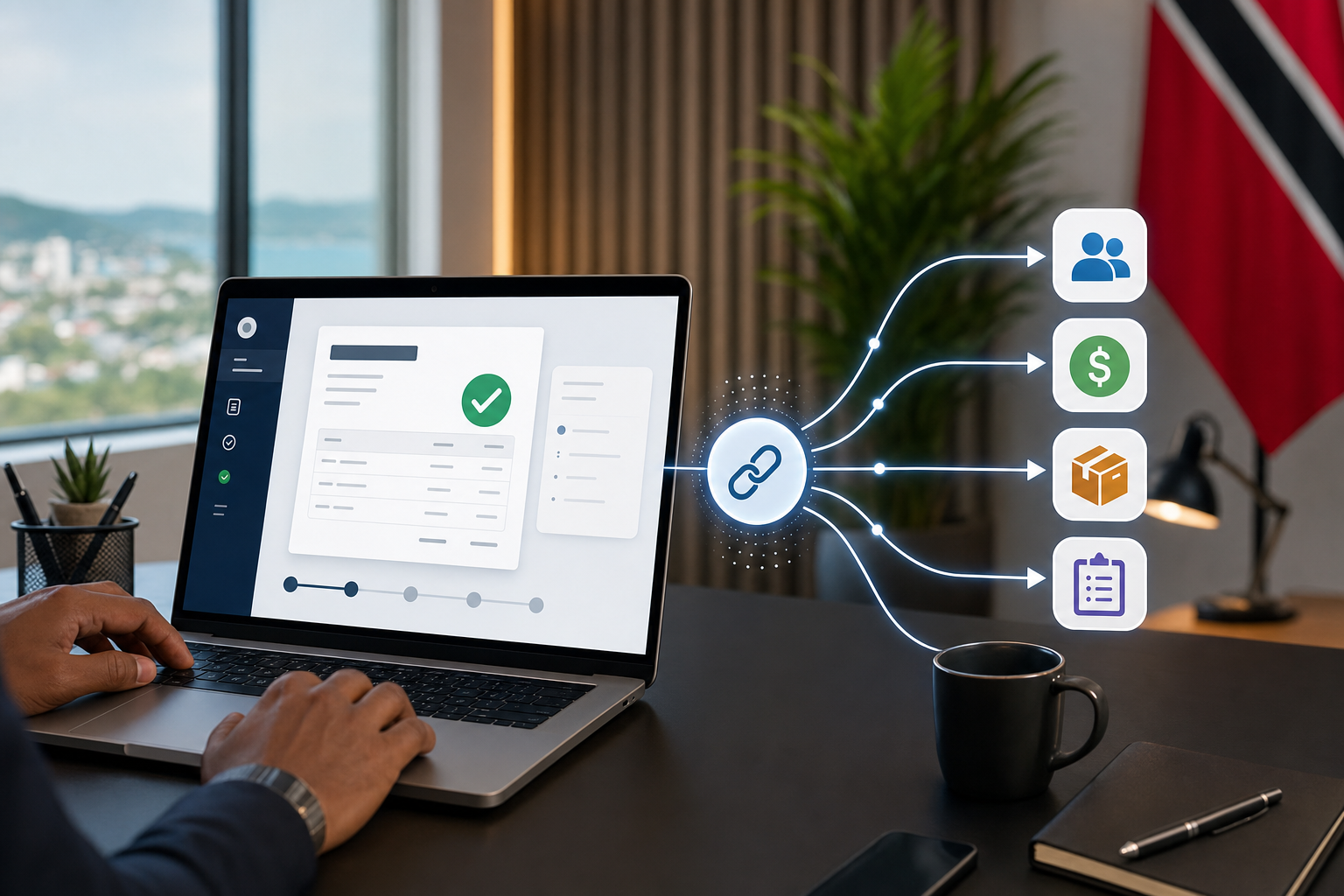
Quote Acceptance Should Trigger the Next Step Automatically
When a customer accepts a quote, the work should not fall back into someone's inbox.
That moment usually starts the next part of the job: update the CRM, notify finance, create an order, alert the fulfilment team, open a project, request a deposit, or start onboarding. If those steps depend on a salesperson remembering to send messages manually, the business can lose time immediately after the customer has already said yes.
QuoteWerks recently highlighted QuoteValet webhooks as a way to automate the "last mile" after a quote is delivered. The point is practical: quote activity can become a trigger for the next business action instead of another item for someone to chase.
The quote is not the end of the workflow
Many SMBs treat quoting as a document process. The team prepares the quote, sends it, waits, and follows up. Once the customer accepts, the same team starts a second process by hand.
That second process is where delays often appear.
A sales rep may need to update an opportunity. Accounts may need proof of acceptance before issuing an invoice. A technician may need a project task. Procurement may need to order stock. Management may need to know whether approval or payment has been completed.
None of those steps is difficult by itself. Together, they create a lot of small handoffs that can be missed.
Webhooks connect quote events to business systems
A webhook is a simple idea: when something important happens in one system, it can notify another system automatically.
For QuoteValet, useful events can include quote acceptance, payment activity, approval progress, signatures, file uploads, or order submissions. Those events can then feed tools such as a CRM, accounting workflow, PSA, helpdesk, project board, Microsoft Power Automate, Zapier, Make, or n8n.
For a Trinidad and Tobago business, this can mean fewer manual reminders and a cleaner path from sales approval to fulfilment.
Why this matters for local SMBs
The biggest issue is usually not that the team does not care. It is that the process depends on people remembering every follow-up step while also handling calls, customer emails, walk-ins, urgent jobs, supplier updates, and payment queries.
Automation helps most when it removes those routine handoffs:
- A quote is accepted, and the CRM opportunity moves forward.
- A payment is completed, and finance receives the right notification.
- A signed quote arrives, and a project task is created.
- A customer uploads a purchase order, and the order team is alerted.
- An approval stage changes, and management gets visibility without asking sales for an update.
Those are small improvements, but they reduce friction at the exact point where the customer expects the business to move.
Start with the process, not the tool
Webhooks are powerful, but they should not be connected blindly. Before automating quote events, the business should map what currently happens after acceptance.
The useful questions are direct:
- Who needs to know when a quote is accepted?
- Which system owns the customer record?
- What must happen before procurement starts?
- When should finance be notified?
- Does a deposit, purchase order, or signature need to be checked first?
- Which exceptions still need human review?
- What should happen if an automation fails?
That last question matters. Automation should make the process more reliable, not invisible.
Keep control over approvals and exceptions
Not every quote should trigger the same workflow. A small reorder may be safe to pass straight to fulfilment. A large discount, special pricing request, equipment bundle, or project with site work may need internal approval before anything is ordered.
Good quote automation should respect those rules. It should speed up routine work while still flagging deals that need a manager, accounts, procurement, or technical review.
For Blue Chip clients, this is where workflow design becomes important. The goal is not to automate every decision. The goal is to automate the predictable steps and make exceptions easier to see.
Blue Chip's view
QuoteWerks and QuoteValet are strongest when they are treated as part of the wider sales operation. The quote should connect to the customer record, the approval path, the payment process, the procurement handoff, and the delivery or project workflow.
Blue Chip Technologies helps businesses design that path carefully: quote templates, CRM fields, customer acceptance steps, notification rules, approval checkpoints, payment triggers, and integrations with tools such as Microsoft 365, HubSpot, n8n, helpdesk systems, and accounting workflows.
For SMBs, the benefit is not just speed. It is consistency. When a quote is accepted, the next step should happen because the process is designed that way, not because someone remembered to send the right message.
Source: QuoteWerks Blog - Automating the "Last Mile" After a Quote Is Delivered.