
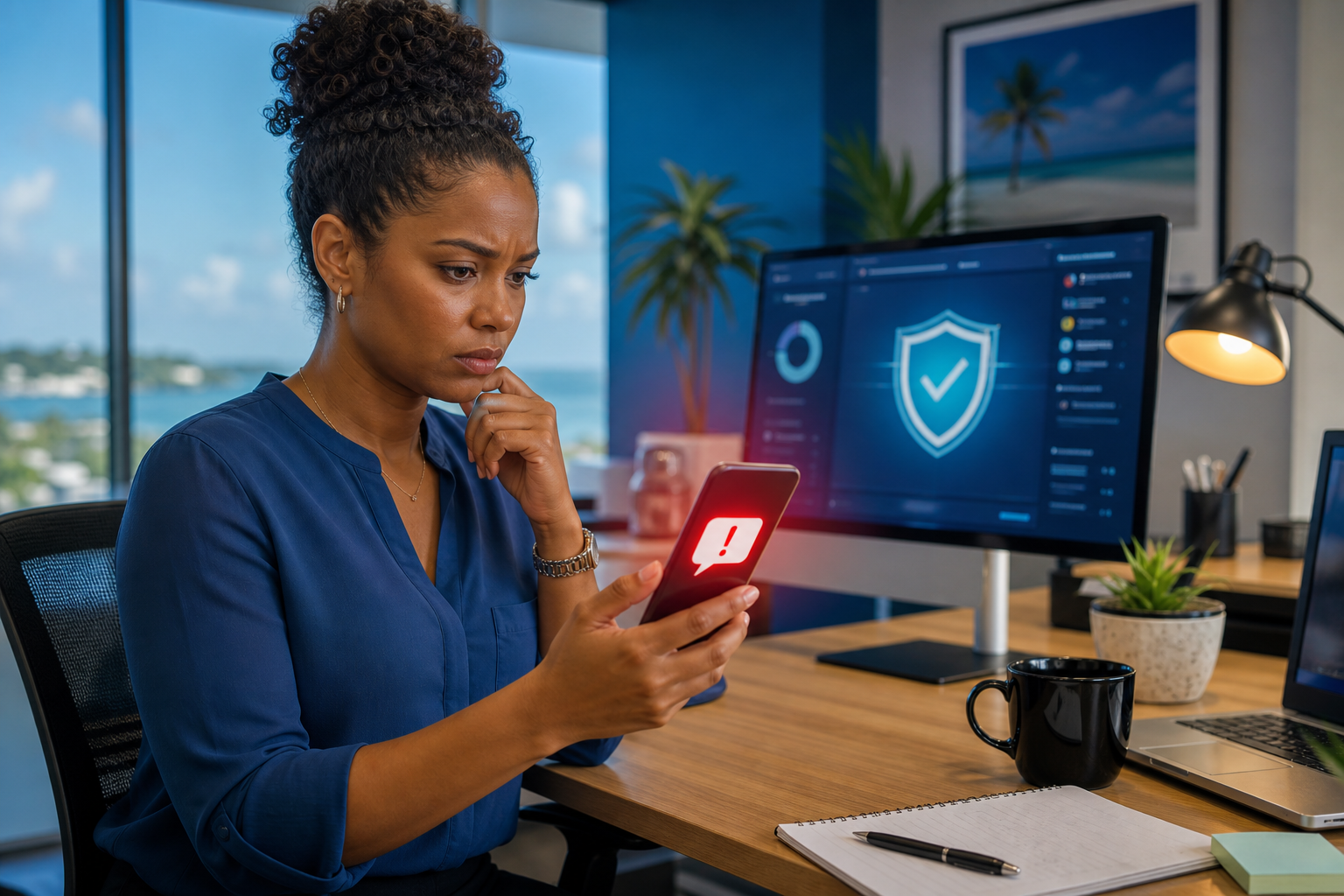
A verification code you did not request is not harmless noise. It can mean someone has entered your password or is trying to persuade you to approve access. The right response is to stop, deny the request and check the account through the official app or website.
The FTC advises using two-factor authentication and warns people never to share verification codes with someone who contacted them. Authenticator apps and security keys provide stronger protection than text or email codes when those options are available, but any second factor still needs careful handling.
For workplace accounts, report unexpected prompts quickly, change a potentially exposed password, review recent sign-ins and remove unfamiliar sessions. Do not approve a push notification simply to make it disappear. A thirty-second pause can prevent an attacker from turning one stolen password into a full account takeover.
Source: https://consumer.ftc.gov/articles/use-two-factor-authentication-protect-your-accounts