
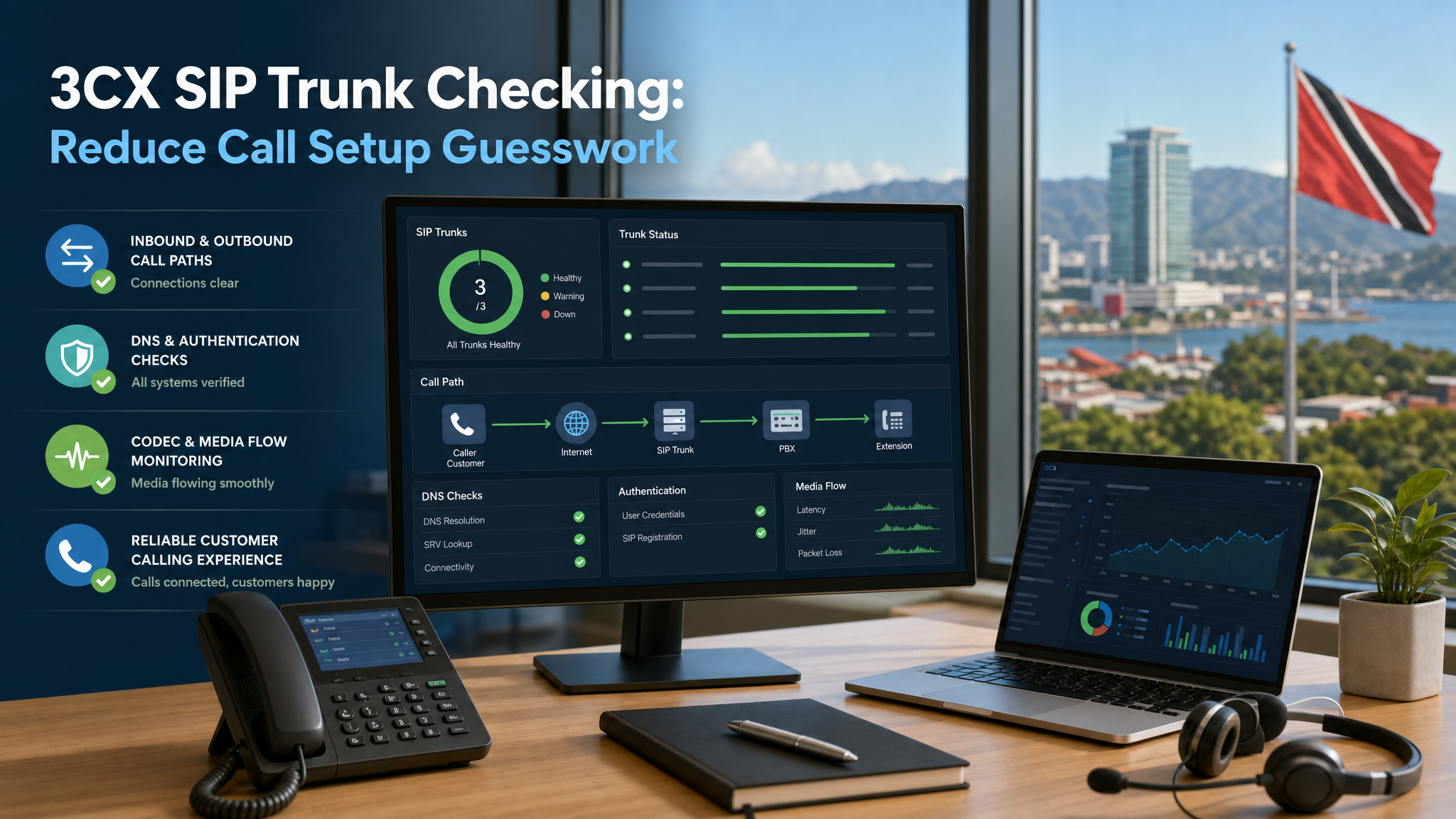
3CX SIP Trunk Checking: Reduce Call Setup Guesswork
SIP trunks are the part of the phone system most customers never see, but they decide whether calls actually reach the business cleanly. When a new provider is added, a number is ported, routing changes, or call quality starts to behave strangely, the difference between a quick fix and a long support call is often the quality of the diagnostics.
3CX has introduced a VoIP Provider Checker in Version 20 Update 8 to help administrators test SIP provider accounts with more structure. For Trinidad and Tobago SMBs, the value is practical: fewer assumptions, faster fault isolation, and better confidence before a phone system goes live.
Why this matters for business owners
A phone system can look healthy while still having a provider-side mismatch. Registration may work, but inbound calls may fail. Outbound calls may connect, but caller ID may be presented incorrectly. Audio may be one-way because the media path or codec negotiation is wrong.
Those issues affect real business outcomes:
- customers cannot reach the right queue or department
- staff waste time testing calls manually
- support teams struggle to prove whether the PBX, firewall, ISP, or SIP provider is responsible
- call quality complaints become hard to reproduce
- new deployments take longer than planned
A built-in checker helps turn that uncertainty into a clearer troubleshooting path.
What 3CX is adding
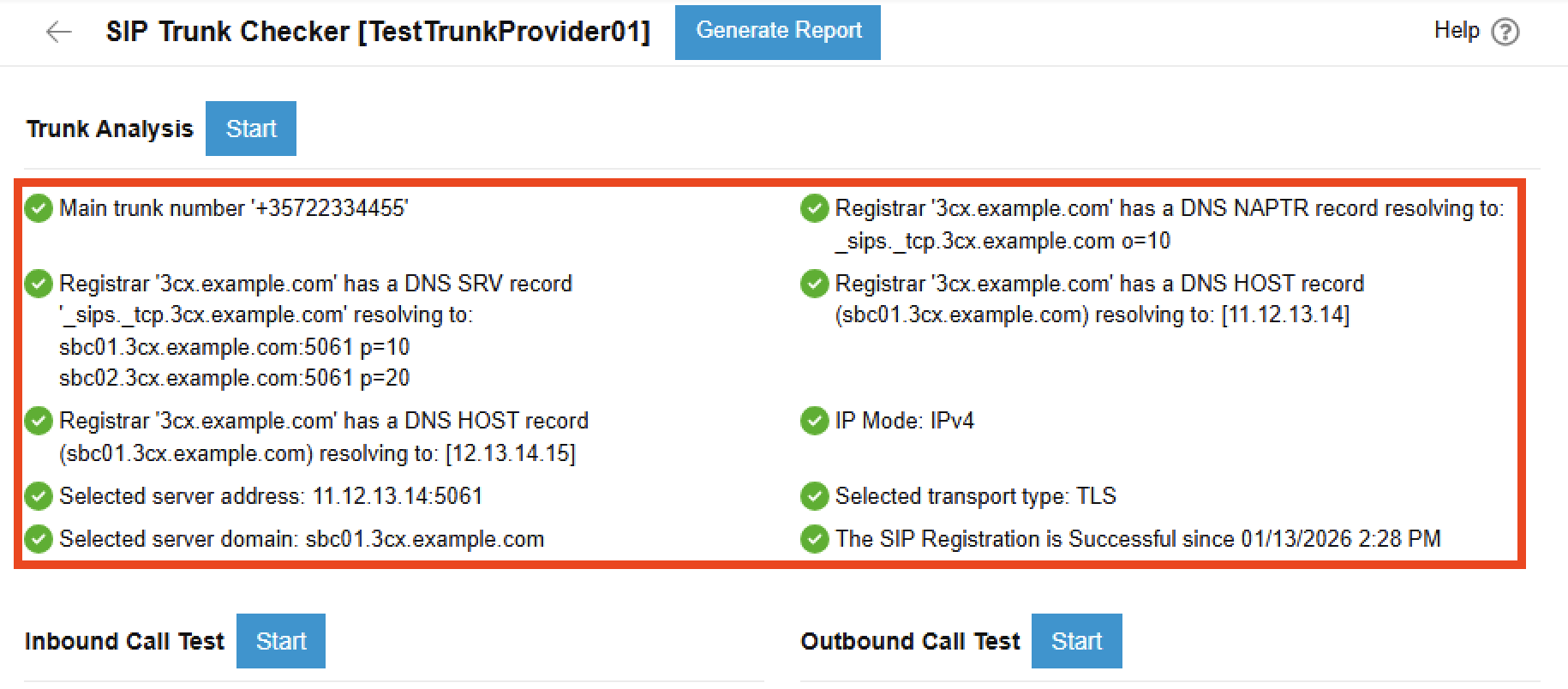
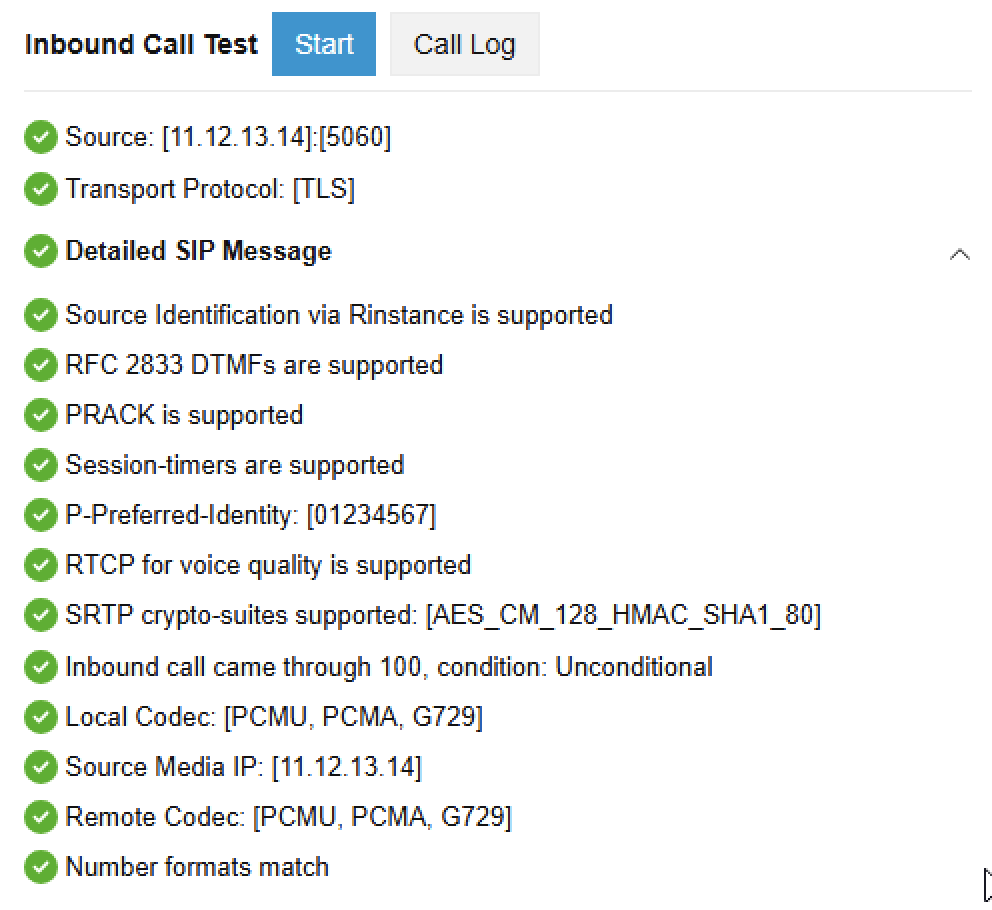
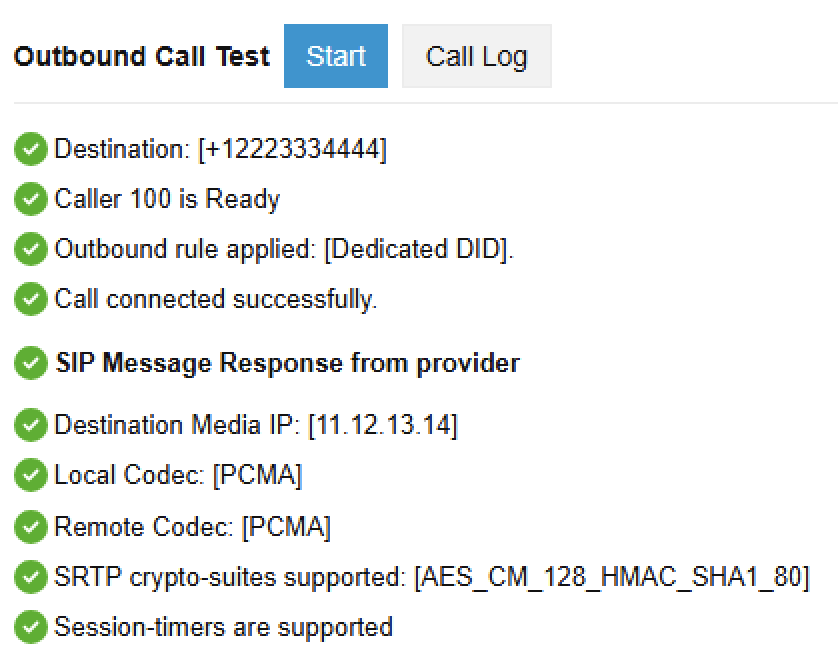
The 3CX article explains that the VoIP Provider Checker walks administrators through SIP trunk analysis in three areas: trunk registration and DNS checks, inbound call verification, and outbound call verification. It also looks at details such as SIP headers and media or codec matching.
In plain business terms, this means the system can help confirm whether the provider account is behaving as expected before users depend on it every day.
That is especially useful for companies using a provider outside the standard supported list, migrating from another PBX, or supporting several client deployments with different SIP trunks.
Better checks reduce avoidable downtime
Manual SIP testing is possible, but it is easy to miss small details. A technician may test one inbound call and one outbound call, then discover later that transfer, caller ID, queue routing, or media handling behaves differently under real traffic.
A more repeatable test process helps with:
- onboarding a new SIP provider
- validating a custom provider template
- confirming inbound and outbound calling before cutover
- documenting what changed during troubleshooting
- separating phone-system issues from provider or network issues
- reducing unnecessary escalation between vendors
For managers, this is not just a technical convenience. It means less time lost when customers are trying to call the business.
What local SMBs should still check
The checker is useful, but it does not replace proper deployment discipline. A business should still review the full communications path:
- internet reliability and failover
- firewall and NAT configuration
- SIP trunk authentication and allowed IPs
- emergency-call routing where applicable
- caller ID presentation
- queue, ring group, and IVR behaviour
- call recording and retention requirements
- monitoring, backups, and support escalation
If the business depends heavily on calls, these checks should happen before major changes, not after staff start reporting missed calls.
How Blue Chip can help
Blue Chip Technologies helps businesses plan, deploy, secure, and support 3CX phone systems. That includes SIP trunk setup, provider validation, call routing, failover planning, firewall review, call queues, reporting, user training, and ongoing support.
If your company is moving to 3CX, changing SIP providers, or seeing intermittent call problems, this is a good time to review the trunk configuration and test the call path properly. The goal is simple: customers should be able to reach you, staff should be able to call out, and support should have clear evidence when something goes wrong.
Source: 3CX Blog - VoIP Provider Checker for In-Depth SIP Trunk Analysis.