3CX WhatsApp Inbound Calls: One More Way Customers Can Reach Your Business
Many customers already use WhatsApp as their first line of communication. They send photos, ask for prices, confirm appointments, follow up on deliveries, and expect a quick answer. The challenge for a growing business is that WhatsApp often sits outside the phone system, so calls and messages can become another inbox for staff to watch manually.
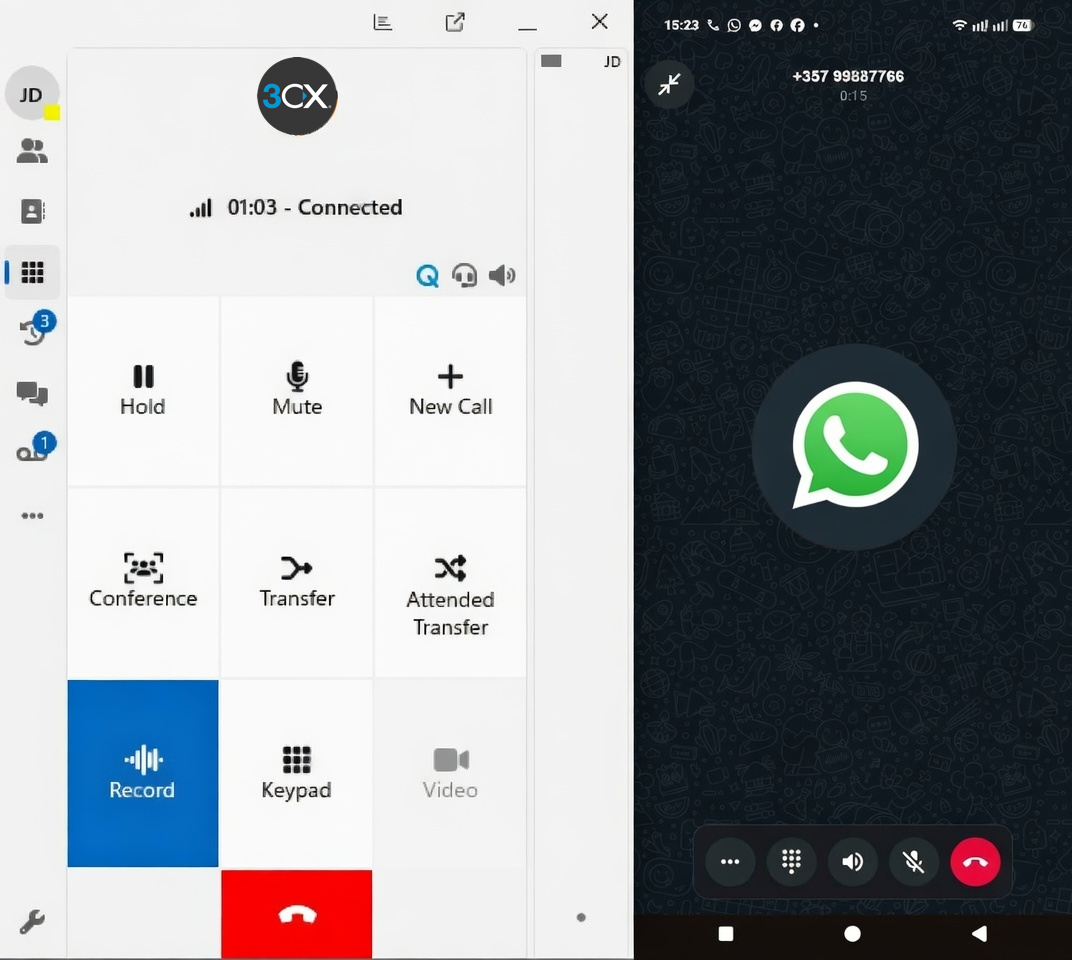
3CX has expanded its WhatsApp integration with inbound WhatsApp calling in V20 Update 8. In practical terms, a business can connect a WhatsApp number as a SIP trunk and route incoming WhatsApp voice calls through the PBX, instead of treating them as a separate consumer-style channel. 3CX says those calls can be routed to extensions, queues, and AI agents using the normal PBX routing logic. Source: 3CX WhatsApp Inbound Calls.
For Trinidad and Tobago SMBs, this matters because customers do not think in channels. They just want the easiest way to reach a real business. One person may call the main office number, another may tap WhatsApp from a mobile phone, and another may use web chat. The business value comes from bringing those conversations into one managed communications platform.
Why It Matters For Local Businesses
When WhatsApp voice calls enter the PBX, teams can apply the same structure they already use for normal phone calls. Reception can answer first, sales can receive overflow, support can use queues, and after-hours calls can follow a different rule. That is much cleaner than leaving a WhatsApp phone on a desk and hoping the right person sees it.
It also helps with accountability. If customer calls are routed through 3CX, management can design call flows around the actual business process. A missed WhatsApp voice call can be treated as a missed customer opportunity, not as an invisible personal-device event.
Better Routing, Less Guesswork
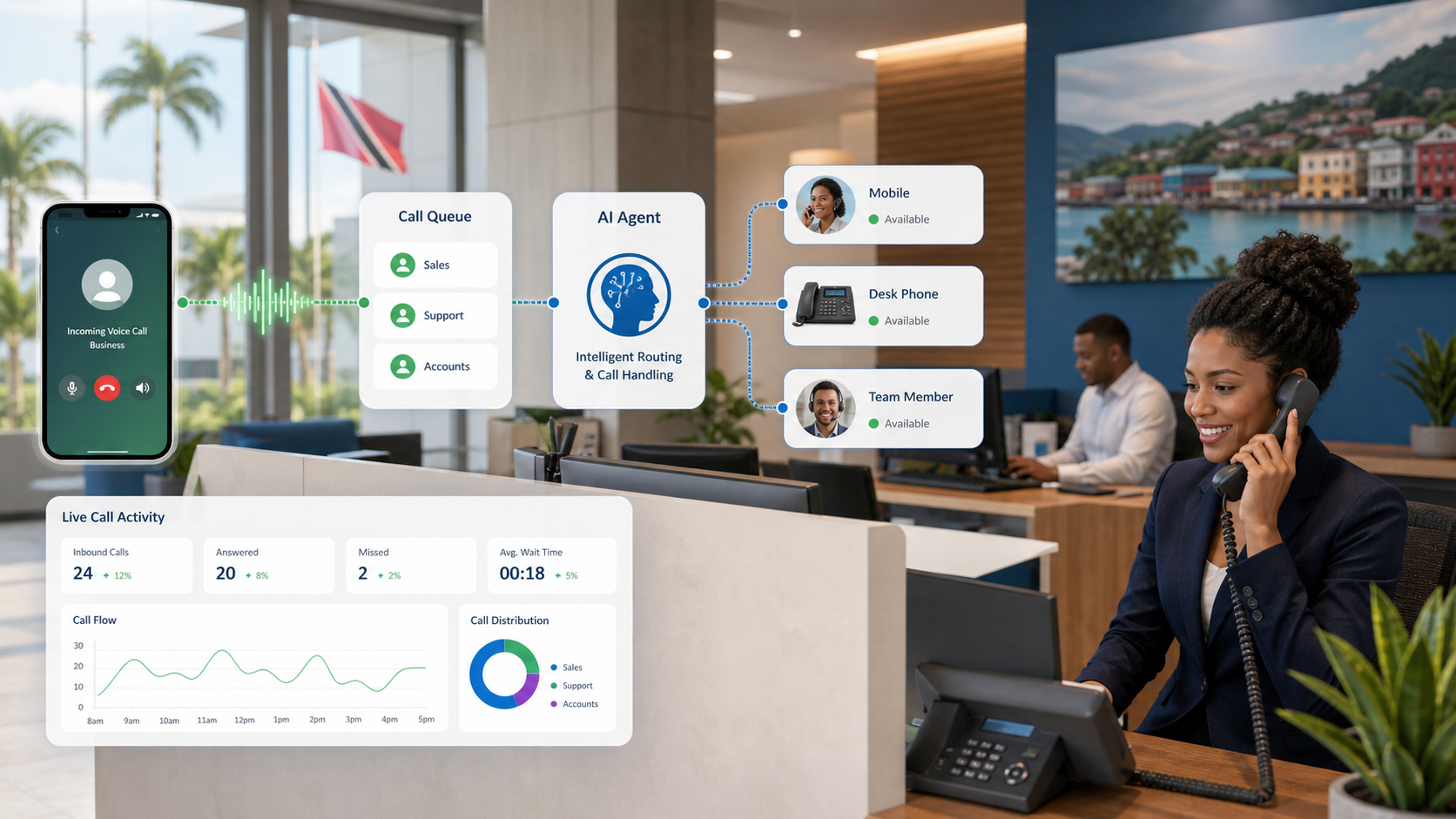
The 3CX article notes that the WhatsApp number can be routed to extensions, queues, and AI agents. That gives businesses a useful path for front-desk triage:
- Route sales calls to the sales queue during working hours.
- Send support calls to a technician group or service desk queue.
- Use an AI receptionist or AI agent to collect context before a human picks up.
- Apply office-hours rules for evenings, weekends, and public holidays.
That kind of routing is especially useful for companies with mobile teams, multiple branches, or staff who split time between office and field work. The customer uses a familiar channel, while the business keeps control inside the phone system.
Where Blue Chip Technologies Fits
WhatsApp calling is not just a feature to switch on blindly. The setup depends on the Meta/WhatsApp configuration, SIP trunk behaviour, 3CX version, routing design, user permissions, call recording policy, and how the business wants to handle customer data.
Blue Chip Technologies can help 3CX clients review whether WhatsApp inbound calling fits their environment, plan the right routing rules, and make sure the configuration supports the way the business actually answers customers. We can also align it with CRM integration, call queues, reporting, mobile apps, and security controls so the deployment is useful beyond day one.
The Bigger Direction
This update is part of a broader shift in business communications. Phone systems are no longer just desk phones and extensions. They are becoming the control point for calls, chat, CRM context, AI assistance, analytics, and remote work. For SMBs, the winning setup is usually not the most complicated one. It is the one where customers can reach the business easily, staff know who owns each interaction, and management can see whether calls are being handled properly.
If your company already uses 3CX, this is a good time to review your inbound call flows and customer channels. WhatsApp may deserve a place in the same operational workflow as your main numbers, queues, and support processes.